

Milwaukee homeowners depend on their roof to protect the home’s structure, manage Wisconsin weather, and support long-term energy efficiency. Heavy snowfall, freezing rain, humid summers, and wide temperature swings all place ongoing stress on roofing systems across southeastern Wisconsin. From asphalt shingles on older homes to metal roofs on newer builds and commercial properties, roof performance is never just a matter of age. It is shaped by installation quality, ventilation, drainage, and regular maintenance. Understanding what shortens a roof’s life and how experienced professionals approach prevention can help many homeowners avoid significant damage, costly repairs, and premature full roof replacement.
Key Takeaways
- Wisconsin weather brings unique challenges that can shorten a roof’s life if early warning signs are ignored.
- Aging roofing materials and improper installation often lead to moisture buildup and structural damage.
- Regular maintenance and professional roof inspection help prevent costly repairs and major repairs.
- Proper ventilation, clean gutters, and proactive care improve long-term roof performance and energy efficiency.
Key Factors That Shorten Roof Lifespan In Milwaukee Homes
Wisconsin Weather Stress and Seasonal Extremes
Wisconsin winters expose roofs to heavy snowfall, freezing temperatures, and repeated freeze-thaw cycles that accelerate wear across roofing materials, especially common systems like asphalt shingles. As snow melts and refreezes, melting snow can work beneath cracked shingles and flashing, increasing the risk of moisture intrusion that weakens the roof’s condition over time.
Ice Dams and Poor Drainage Patterns
Ice dams form when warm air escapes into the attic and refreezes at the roof edge, trapping water behind it. The University of Wisconsin outlines how ice dams develop and why proper insulation and ventilation are critical for Wisconsin homes through its ice dam and home energy resources. In Milwaukee homes, this backed-up water often penetrates under asphalt shingles, leading to wood rot, mold growth, and interior water stains that may not appear until significant damage has already occurred.
Improper Installation and Aging Roofing Systems
Many Wisconsin homes still rely on roofing systems installed decades ago using outdated techniques. Improper installation, combined with an aging roof, increases the likelihood of missing shingles, curling shingles, and cracked shingles that leave the roof vulnerable during severe storms and often require professional roof repair.
Inadequate Attic Ventilation and Insulation
A poorly ventilated attic allows heat and moisture to accumulate, creating condensation that damages decking and insulation. Without proper ventilation and adequate attic insulation, moisture buildup accelerates deterioration and reduces the roof’s life while negatively affecting the home’s energy efficiency.
A Preventive Maintenance Plan For Longer Roof Performance
Routine Professional Roof Inspections
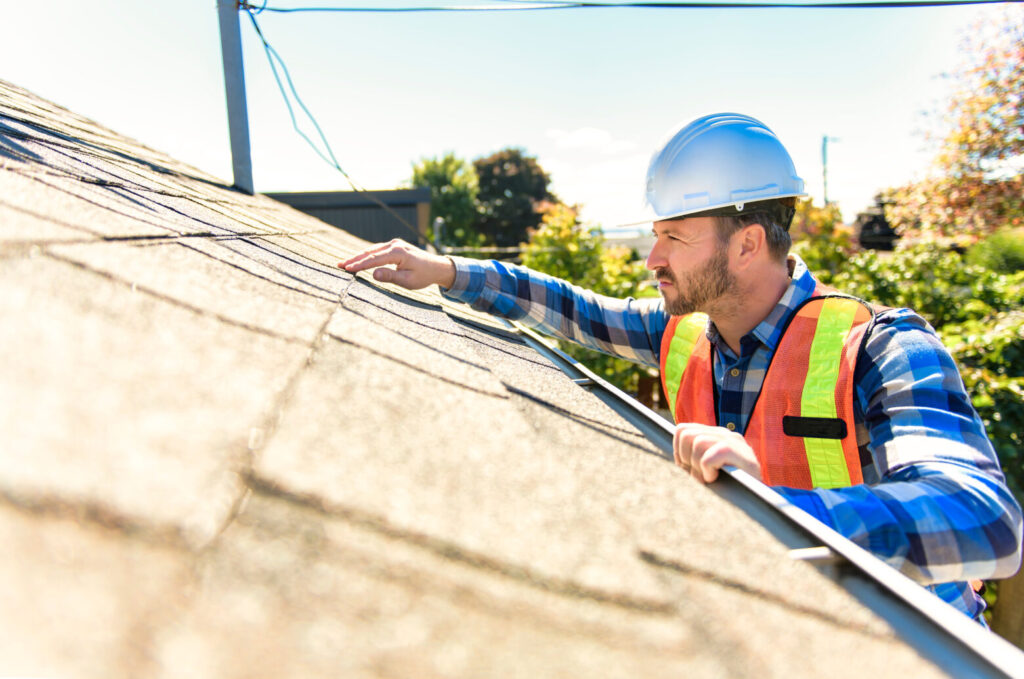
Scheduling a professional roof inspection allows experienced professionals to evaluate early warning signs such as visible sagging, loose materials, or minor repairs before they escalate. Industry guidance from the National Roofing Contractors Association reinforces the value of routine inspections for extending roof service life and preventing avoidable failures. A thorough roof inspection provides a clear professional assessment of the roof plays in protecting the home’s structure and helps prevent major repairs.
Consistent Gutter Cleaning and Drainage Control
Clean gutters are essential for proper drainage, especially during spring thaw and fall rains. Regular gutter cleaning removes leaves and other debris that cause clogged gutters, reducing the risk of moisture backing up into the roof system and preventing avoidable structural damage. In many cases, installing gutter guards further improves long-term performance by limiting debris buildup.
Targeted Repairs Instead of Delayed Action
Addressing warning signs like missing shingles or localized leaks with timely minor repairs helps prevent costly repairs later. Waiting too long often turns a cost effective fix into a full replacement, especially after storms common across southeast Wisconsin.
Ventilation and Energy Efficiency Improvements
Upgrading attic ventilation and ensuring a well ventilated attic supports better temperature regulation year-round. Guidance from the U.S. Department of Energy highlights how proper attic ventilation and insulation improve energy efficiency and reduce moisture-related roof damage. Proper airflow limits moisture buildup, protects roofing materials, and improves the home’s energy efficiency, especially during humid summers and long Wisconsin winters.
Protect Your Roof With Trusted Local Expertise
Your roof plays a critical role in protecting your home, improving curb appeal, and maintaining long-term value. Allstar Roofing has served residential and commercial clients throughout Milwaukee and southeastern Wisconsin since 1969, bringing decades of experience, expert installation, and honest guidance to every project.
Whether you are evaluating an aging roof, considering roof lifecycle extension tips for Milwaukee homes, or planning a new roof, working with an established local roofing company helps ensure long-lasting results. Visit Allstar Roofing to learn more or contact us at 763-373-1066 to schedule an evaluation.
Frequently Asked Questions
How often should Milwaukee homeowners schedule a roof inspection?
Most Wisconsin homes benefit from a professional roof inspection at least once a year and after major storms. Regular inspections help identify early warning signs caused by freezing rain, heavy snowfall, or high winds before they lead to significant damage.
What are the most common signs that a roof needs professional attention?
Warning signs include water stains on ceilings, visible sagging, curling or cracked shingles, and unexplained increases in heating or cooling costs. These issues often indicate moisture buildup or ventilation problems that require professional assessment.
Can regular maintenance really extend a roof’s life?
Yes, regular maintenance such as gutter cleaning, minor repairs, and ventilation adjustments can significantly extend the roof’s life. Preventative care helps homeowners avoid premature roof replacement and reduces the risk of major repairs.
When does repair become a full roof replacement?
A full roof replacement is typically recommended when structural damage, widespread material failure, or repeated leaks affect large sections of the roof. An experienced roofing expert can determine whether repairs are still viable or if full replacement offers better long-term protection.