

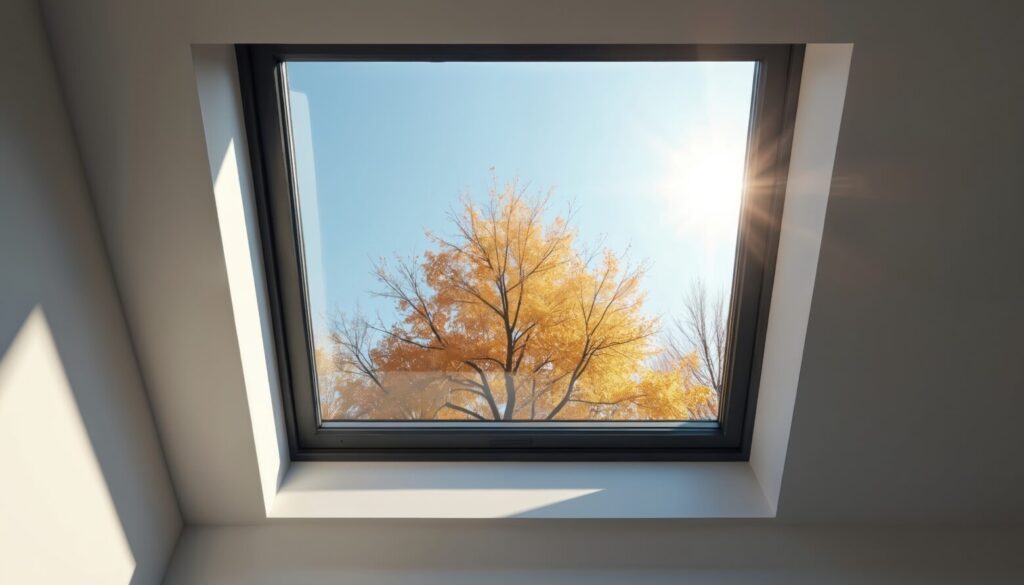
Installing a skylight can completely transform how a home feels, looks, and functions. For homeowners across Milwaukee, West Allis, and Menomonee Falls, skylights bring in natural light, improve ventilation, and add lasting aesthetic appeal when they are planned and installed correctly.
At the same time, skylight leaks remain one of the most common concerns we hear from property owners. Preventing water intrusion, heat loss, and long-term roof damage requires experience, proper materials, and a clear understanding of Wisconsin weather conditions.
This guide explains how professional skylight installation is approached to deliver energy efficiency, comfort, and leak-free performance throughout the Milwaukee metro area.
Key Takeaways
- Proper skylight installation and leak prevention depend on roof structure, flashing quality, and waterproofing methods.
- Modern skylights can improve energy efficiency, fresh air circulation, and overall comfort when installed correctly.
- Planning inspections, timing, and expectations helps reduce total cost and avoid future repairs.
- Regular maintenance and inspections protect against water stains, condensation, and hidden water damage.
Proven Skylight Installation Practices for Leak-Free Milwaukee Homes
Installing a skylight the right way requires more than cutting an opening in the roof, which is why experienced roofing professionals follow a detailed process that addresses structure, materials, and Wisconsin weather conditions from the start.
Evaluating Roof Structure and Placement
Every well-installed skylight starts with a careful evaluation of the roof structure, trusses, and interior layout to ensure the opening can be framed without compromising structural integrity, especially for homes throughout Menomonee Falls and the surrounding Milwaukee area.
In Milwaukee area homes, roof pitch, shingle condition, and attic ventilation all affect where skylights can be safely installed while minimizing the risk of potential leaks.
Selecting the Right Skylight Type
Choosing between fixed skylights, venting skylights, roof windows, or tubular skylights is based on how the room is used and how much ventilation or sunlight is needed.
Bathrooms, kitchens, and upper floors often benefit from ventilating skylights that release hot air, while fixed skylights work well for bringing consistent light into living spaces.
Using Proper Flashing Systems
Flashing is one of the most critical installation considerations for preventing skylight leaks in Wisconsin homes, and it must be coordinated with a properly executed roof installation to ensure long-term waterproofing.
Professionally installed flashing systems are layered with shingles and waterproofing materials to channel water away from the entire skylight assembly and protect against wind-driven rain and melting snow.
Managing Water and Condensation Control
Water infiltration and condensation are controlled through insulated glass, low-e coatings, and proper sealing around the curb-mounted skylight frame. These details help regulate temperature, reduce heat loss, and prevent moisture from forming on interior walls and ceilings.
Integrating Skylights with Roofing Materials
A skylight must work as part of the entire roof system, not as a standalone feature. Matching shingles, underlayment, and seals ensures the skylight performs consistently with the surrounding roof and maintains long-term waterproofing and durability.
How to Plan Skylight Projects: Timing Inspections and Expectations
Before moving forward with a skylight project, homeowners should understand a few practical considerations that help ensure the installation process goes smoothly and delivers long-term performance in Wisconsin homes.
Schedule Inspections Before Installation
Professional inspections help identify existing roof issues, aging shingles, or signs of water damage before installing a new skylight, which is why a thorough roof inspection is an essential first step. Addressing these factors early protects the entire skylight investment and prevents leaks that originate outside the skylight opening.
Understand Installation Timing in Wisconsin
Weather plays a major role in installing skylights across Milwaukee, West Allis, and Menomonee Falls. Spring through early fall typically offers the best conditions, while cold temperatures and snow can affect seals, flashing, and installation quality.
Set Realistic Expectations for Disruption
Installing a skylight involves cutting a hole through the roof and ceiling, which means temporary interior disruption. Clear planning helps homeowners understand timelines, interior finishing needs, and how long rooms may be affected during installation.
Factor in Energy Efficiency and Savings
Modern skylights are designed to balance sunlight with energy efficiency, reducing the need for artificial lighting while managing solar heat gain. When installed correctly, skylights can contribute to energy savings and lower cooling costs without sacrificing comfort.
Plan for Long Term Maintenance
Regular inspections and maintenance protect skylights from debris buildup, seal failure, and gradual wear. Ongoing care ensures the skylight continues to brighten interior spaces while protecting the roof from leaks and water damage.
Ready to Plan Your Skylight Installation?
If you are considering adding a skylight or replacing an existing one, working with an experienced roofing contractor makes all the difference. Allstar Roofing brings decades of craftsmanship and professional installation standards to homes across the Milwaukee metro area. Contact our team at 414-710-9021 to schedule a professional inspection and discuss your skylight project.
Frequently Asked Questions
How long does skylight installation typically take?
Most skylight installations are completed within one to two days, depending on roof structure, interior finishing, and weather conditions. Complex projects or replacements may require additional time to ensure proper waterproofing and sealing.
Can skylights really help with energy efficiency?
Yes, modern skylights with insulated glass and low-e coatings can improve energy efficiency by reducing lighting needs and managing heat transfer. Proper installation is essential to avoid heat loss and drafts.
What are common signs of skylight leaks?
Water stains on ceilings, condensation buildup, peeling paint, or visible moisture around the skylight frame can indicate leaks. Early inspections help prevent more serious water damage and costly repairs.
Do skylights require regular maintenance?
Skylights benefit from regular inspections to check seals, flashing, and surrounding shingles. Routine maintenance helps prevent leaks, extends the life of the skylight, and protects the roof system as a whole.